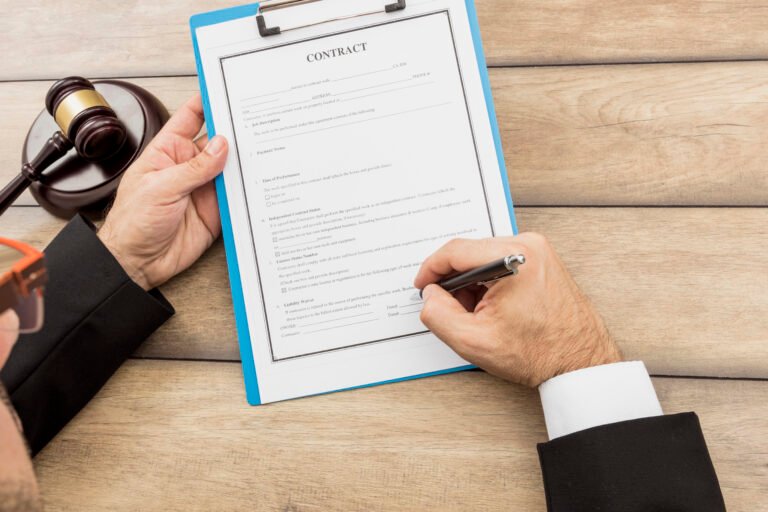
Real Estate Appraisal is the process used to figure out what a property is really worth in the open market, especially when people are arguing about it. Courts rely on Real Estate Appraisal because it keeps things fair, simple, and based on facts instead of opinions. When there is a dispute in divorce, inheritance, taxes, or business separation, this is what usually brings clarity.
It is basically the number everyone agrees to follow when emotions and disagreements make things messy.
Why Real Estate Appraisal is used in court cases
Real Estate Appraisal is used because courts don’t want guesses or emotional claims. They want a clear, neutral value that can stand in front of both sides.
Here’s why it matters
- It keeps decisions fair for both parties
- It removes personal bias and emotions
- It shows the real market value
- It gives judges something solid to rely on
So instead of arguing “what I think it’s worth,” the court looks at “what the market proves.”
How courts actually use Real Estate Appraisal
Real Estate Appraisal becomes evidence in court. Judges don’t just glance at it, they study it carefully before making a decision.
What usually happens
- The appraisal report is submitted as proof
- Both sides review and question it
- Experts may explain how the value was calculated
- Courts compare multiple appraisals if needed
If one side disagrees, the court may bring in another independent Real Estate Appraisal to balance things out.
How Real Estate Appraisal is done step by step
Real Estate Appraisal follows a proper process so the final number is not random.
The process usually looks like this
- The property is inspected properly
- The local market is studied
- Similar properties are compared
- Condition, size, and location are checked
- A final value is prepared and reported
Methods commonly used
- Sales comparison method (most common)
- Cost method (what it costs to rebuild)
- Income method (if it earns rent)
Each method supports the final Real Estate Appraisal value in its own way.
What changes the value in Real Estate Appraisal
Real Estate Appraisal is not fixed. It changes based on real conditions in the market and property.
Key factors that matter
- Where the property is located
- How the property looks and its condition
- What similar homes recently sold for
- Current demand in the area
- Legal limits like zoning rules
Even a small upgrade or damage can change the Real Estate Appraisal value.
Why accuracy in Real Estate Appraisal is so important
Real Estate Appraisal needs to be very accurate because courts make decisions based on it. If the number is wrong, the outcome can be unfair.
Why courts care about accuracy
- It affects money division directly
- It prevents unfair advantage
- It reduces legal fights later
- It builds trust in the decision
A strong Real Estate Appraisal can decide how smoothly a case ends.
Common mistakes in Real Estate Appraisal
Real Estate Appraisal can go wrong if the process is rushed or incomplete.
Common problems
- Using outdated property data
- Comparing the wrong properties
- Ignoring repairs or damage
- Not understanding the local market
When mistakes happen, the Real Estate Appraisal can be challenged in court.
How lawyers use Real Estate Appraisal
Real Estate Appraisal is a big support tool for lawyers during disputes.
How it helps in cases
- Helps negotiate fair settlements
- Used as evidence in hearings
- Helps challenge the other side’s claims
- Guides clients on what to expect
It becomes the “proof point” in most property arguments.
Real situations where Real Estate Appraisal is used
Real Estate Appraisal shows up in many everyday legal disputes.
Common examples
- Divorce where property is split
- Family inheritance disagreements
- Business partners separating assets
- Tax value disagreements with authorities
In all these cases, Real Estate Appraisal helps bring a final number everyone can work with.
Best way to get a strong Real Estate Appraisal
A strong Real Estate Appraisal comes from proper work, not shortcuts.
What makes it reliable
- Experienced certified appraiser
- Fresh market research
- Full property inspection
- Honest property comparisons
When these are followed, the Real Estate Appraisal stands strong even in court.
Conclusion:
Real Estate Appraisal is basically the anchor in property disputes. When people argue and emotions run high, it brings everything back to facts. Courts depend on it because it keeps decisions fair and grounded in real market value. Without Real Estate Appraisal, cases would turn into opinions. With it, there is structure, clarity, and fairness.
Frequently Asked Questions
What exactly is Real Estate Appraisal used for in court?
Real Estate Appraisal is used in court to figure out the fair market value of a property so judges can make fair decisions in disputes like divorce, inheritance, taxes, or business separation cases.
Why do judges trust Real Estate Appraisal reports?
Judges trust Real Estate Appraisal because it is based on real market data, property comparisons, and professional methods instead of personal opinions or emotional claims from either side.
Can someone disagree with a Real Estate Appraisal?
Yes, a Real Estate Appraisal can be challenged if one party feels it is incorrect. Courts may then review it or order another independent appraisal to compare values.
Who prepares Real Estate Appraisal for legal cases?
Real Estate Appraisal is prepared by certified and licensed appraisers who are trained to evaluate property value using standard methods and real market data.
What makes Real Estate Appraisal go up or down?
Location, property condition, market demand, and recent sales of similar homes all affect Real Estate Appraisal value and can increase or decrease it depending on changes.
How long does Real Estate Appraisal usually take?
Real Estate Appraisal usually takes a few days to a couple of weeks depending on how complex the property is and how much data needs to be collected and analyzed.
What happens if two Real Estate Appraisal reports are different?
If two Real Estate Appraisal reports don’t match, the court compares both and may request a third independent opinion to reach a fair final value.
Is Real Estate Appraisal important in divorce cases?
Yes, Real Estate Appraisal is very important in divorce cases because it helps divide property fairly based on real market value instead of assumptions or emotional claims.
What information is needed for Real Estate Appraisal?
Property records, ownership documents, tax details, and information about repairs or upgrades are usually needed to complete a proper Real Estate Appraisal.
Why is Real Estate Appraisal so important in disputes?
Real Estate Appraisal is important because it removes guesswork, reduces conflict, and gives courts a clear and fair value to make legal decisions.