
Commercial Appraisals: What Business Owners in Northwest Indiana Need to Know

If you own or manage a commercial property, understanding its value is a big deal. A commercial appraisal tells you what your property is really worth in today’s market. Not what you hope it’s worth. Not what someone guessed online. The real number that banks, buyers, courts, and investors rely on.

For business owners in Gary, Crown Point, Hobart, Hammond, Dyer, and throughout Lake, Porter, and LaPorte Counties, a commercial appraisal is often the starting point for smart decisions. Selling, refinancing, leasing, settling disputes, or planning ahead all begin with knowing the value of the property.

A commercial appraisal is completed by a certified appraiser who understands local commercial markets, income potential, and long-term risk. 

Why Commercial Appraisals Matter More Than You Think

Here’s the honest truth: guessing the value of a commercial property can cost real money. A commercial appraisal removes the guesswork and gives you clarity.

  • Helps set realistic expectations when selling or buying
  • Required by banks for financing or refinancing
  • Supports fair negotiations between partners or investors
  • Protects business owners in legal or tax situations

Commercial properties in Northwest Indiana vary widely. A retail space in Hammond does not behave the same way as an industrial property in Gary or an office building in Crown Point. A proper commercial appraisal accounts for those differences.

How a Commercial Appraisal Actually Works

A commercial appraisal goes deeper than a residential one. Here’s what usually happens, step by step:

  1. Property Review
    The appraiser inspects the building, layout, condition, parking, access, and zoning.
  2. Market Study
    Recent sales and leases in Gary, Crown Point, Hobart, Hammond, Dyer, and nearby areas are reviewed.
  3. Income Evaluation
    If the property generates income, rent, expenses, and vacancy rates are analyzed.
  4. Valuation Approach
    One or more methods are used:
    • Income Approach – Based on rental income and expenses
    • Sales Comparison Approach – Based on similar commercial sales
    • Cost Approach – Based on replacement cost minus depreciation
  5. Final Report
    A detailed report is prepared for lenders, owners, or legal use.
StepWhat’s ReviewedWhy It Matters
InspectionCondition and layoutImpacts usability and value
Market StudyLocal sales & leasesReflects real demand
Income ReviewRent and expensesDrives commercial value
ReportFinal valuationUsed for banks, courts, owners

Common Reasons Business Owners Need Commercial Appraisals

A commercial appraisal isn’t only for selling. Business owners often need one when:

  • Refinancing or applying for a loan
  • Buying or selling commercial property
  • Bringing in partners or investors
  • Resolving disputes or legal matters
  • Estate planning or tax reporting

In many cases, lenders and legal professionals won’t move forward without a certified commercial appraisal.

What Makes Commercial Appraisals Different

Here’s where people get confused. A commercial appraisal isn’t just about square footage. It’s about performance.

  • How does the property earn money?
  • What are the operating costs?
  • Is the location helping or hurting long-term value?

That’s why commercial appraisals take more time and analysis. They look at the full picture, not just the building itself.

Tips to Prepare for a Commercial Appraisal

A little preparation can go a long way:

  • Gather rent rolls and lease agreements
  • Provide operating expenses and income records
  • Share recent improvements or renovations
  • Make sure the property is accessible and organized

The more accurate the information, the more accurate the commercial appraisal.

Mistakes Business Owners Often Make

Many business owners unintentionally hurt their own valuation. Common mistakes include:

  • Waiting too long and rushing the appraisal
  • Not sharing income or expense details
  • Assuming the property is worth what it was years ago
  • Choosing an appraiser without local experience

Commercial markets change. A commercial appraisal reflects today’s reality, not yesterday’s numbers.

Local Market Matters in Northwest Indiana

Commercial values in Lake, Porter, and LaPorte Counties depend heavily on location, demand, and property type. A warehouse in Gary follows different trends than a retail plaza in Dyer or an office building in Hobart.

Local knowledge is critical. A certified appraiser familiar with Northwest Indiana understands traffic patterns, zoning issues, and buyer demand.

Using Your Commercial Appraisal Wisely

Once you receive your commercial appraisal, don’t just file it away.

  • Use it to negotiate loans confidently
  • Support asking prices when selling
  • Plan long-term investments
  • Avoid disputes with partners or lenders

It’s a decision-making tool, not just a report.

Conclusion:

For property owners in Gary, Crown Point, Hobart, Hammond, Dyer, and throughout Lake, Porter, LaPorte Counties, call 219NWI Appraisal Group at (847)-521-9584 for quick scheduling with Certified Commercial Appraisers.

Frequently Asked Questions

What is a commercial appraisal?

A professional valuation of a commercial property based on market and income data.

How is it different from a residential appraisal?

It focuses on income, expenses, and commercial market performance.

How long does it take?

Typically 2–3 weeks, depending on property complexity.

How much does a commercial appraisal cost?

Costs vary based on size, type, and data required.

Are commercial appraisals required for loans?

Yes, most lenders require one.

Can I challenge a commercial appraisal?

Yes, with supporting data or a second appraisal.

Does it help with taxes or legal matters?

Yes, it’s often required for both.

Do vacant properties need income analysis?

Yes, market rent and potential income are still evaluated.

Is local experience important?

Absolutely. Local data impacts accuracy.
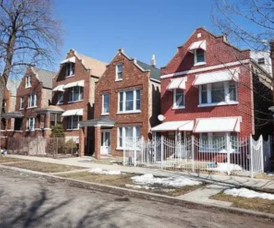
Estate Settlement Appraisals: A Clear Guide for Families in Northwest Indiana

An estate settlement appraisal is one of those things most families don’t think about until they suddenly need one. A loved one passes, property is involved, and questions start coming up fast. What is the home worth? Who decides? What does the court accept? What is fair to everyone?

An estate settlement appraisal answers those questions with clarity. It provides a professional, documented opinion of value that can be used for probate, inheritance decisions, tax reporting, and asset distribution. Most importantly, it gives everyone the same number to work from, which helps avoid confusion and conflict.

For families in Gary, Crown Point, Hobart, Hammond, Dyer, and throughout Lake, Porter, and LaPorte Counties, local market knowledge plays a major role in getting this right.

What an Estate Settlement Appraisal Really Does

An estate settlement appraisal establishes the fair market value of real estate as part of an estate. This value is typically based on the date of death or another legally required date.

This appraisal is not about listing a home for sale. It is not about guessing future value. It is about documenting what the property was worth at a specific point in time, based on real market data.

It is used by:

  • Executors and personal representatives
  • Probate courts
  • Attorneys and accountants
  • Heirs and beneficiaries

Why Estate Settlement Appraisals Are Often Required

Many estates cannot be settled properly without an estate settlement appraisal. Courts and tax authorities need documented proof of value.

This appraisal helps with:

  • Probate filings
  • Dividing property among heirs
  • Calculating capital gains when property is sold later
  • Supporting estate tax reporting
  • Preventing disputes over property value

Without an appraisal, decisions are often based on opinions, online estimates, or outdated values, which can cause delays and disagreements.

Why Online Estimates Are Not Enough

Online home value tools may seem helpful, but they don’t work for estate settlement. They don’t see the condition. They don’t understand unique features. They don’t know what is actually sold nearby.
An estate settlement appraisal is different. It is completed by a certified professional who physically evaluates the property and studies local sales in Gary, Crown Point, Hobart, Hammond, Dyer, and surrounding communities. That level of detail is what courts rely on.

Step-by-Step: How the Estate Settlement Appraisal Process Works

1. Property Review

The appraiser inspects the home, noting:

  • Overall condition
  • Layout and square footage
  • Updates or renovations
  • Deferred maintenance

Vacant homes can be appraised without issue.

2. Market Analysis

Recent sales of comparable homes in the same or similar neighborhoods are reviewed. Local trends in Lake, Porter, and LaPorte Counties matter here.

3. Valuation Approach

Most residential estate appraisals rely on:

  • Sales Comparison Approach
    In some cases:
  • Cost Approach may also be considered

4. Written Appraisal Report

A detailed, legally compliant report is prepared. This report explains how the value was determined and includes supporting data.

PhaseFocusOutcome
InspectionProperty conditionAccurate base information
Market ReviewComparable salesRealistic value
AnalysisValuation methodsDefensible conclusion
ReportDocumentationCourt-ready appraisal

When to Schedule an Estate Settlement Appraisal

Timing matters. An estate settlement appraisal should be ordered as early as possible, especially when probate is involved.

It is commonly needed when:

  • Property is part of an estate
  • Multiple heirs are involved
  • The home may be sold later
  • Taxes will be calculated based on value

Waiting too long can slow down the entire estate process.

How Appraisals Reduce Family Disputes

Property value is one of the most common sources of conflict during estate settlement. One person feels the home is undervalued. Another believes it’s worth much more.

An estate settlement appraisal removes personal opinion from the conversation. It replaces assumptions with facts. Everyone works from the same professional valuation, which helps keep discussions grounded and fair.

Preparing for the Appraisal

There is no need to stage the home or make cosmetic changes. This is not a sale appraisal.

Helpful preparation includes:

  • Providing access to the property
  • Sharing known upgrades or improvements
  • Supplying prior appraisals if available
  • Letting the appraiser know the required valuation date

The goal is accuracy, not presentation.

Common Mistakes During Estate Settlement

Families often run into problems by:

  • Relying on outdated assessments
  • Using non-certified appraisers
  • Assuming value has not changed
  • Waiting until court deadlines are near

An estate settlement appraisal must meet legal standards, so experience and credentials matter.

Why Local Experience Makes a Difference

Real estate values vary widely across Northwest Indiana. A home in Crown Point does not follow the same pricing patterns as one in Gary or Hammond.

Local appraisers understand:

  • Neighborhood-level trends
  • Buyer demand by area
  • Zoning and property use differences
  • Recent sales that actually matter

This local insight directly impacts appraisal accuracy.

How Estate Settlement Appraisals Help the Process Move Forward

An estate settlement appraisal provides structure during a complicated time.

It allows:

  • Executors to fulfill responsibilities confidently
  • Attorneys to complete filings accurately
  • Heirs to feel the process is fair
  • Estates to close with fewer delays

It creates clarity when clarity is needed most.

Conclusion:

For families in Gary, Crown Point, Hobart, Hammond, Dyer, and throughout Lake, Porter, LaPorte Counties, call 219NWI Appraisal Group at (847)-521-9584 for scheduling with Certified Residential Appraisers.

Frequently Asked Questions

What is an estate settlement appraisal?

A professional valuation of property for estate and inheritance purposes.

Is it required for probate?

In many cases, yes.

How long does it take?

Usually 1–2 weeks depending on property access and complexity.

How much does it cost?

Most residential appraisals range from $350–$600.

Is this different from a refinance appraisal?

Yes. It is prepared specifically for legal and estate use.

Can vacant or damaged homes be appraised?

Yes.

Does the appraisal use current market value?

It uses value based on the required legal date, often the date of death.

Can heirs dispute the value?

A second appraisal can be requested if needed.

Does condition matter?

Yes. Current condition affects value.

The Real Deal on Home Appraisals for Gary, Crown Point, Hobart, Hammond, and Dyer Homeowners

If you live in Gary, Crown Point, Hobart, Hammond, Dyer, and throughout Lake, Porter, and LaPorte Counties, chances are you’ve wondered, “What is my home really worth?” A home appraisal is the answer, and it’s not as scary as it sounds. Think of it as a professional friend giving you the straight-up truth about your property.

It’s done by a Certified Residential Appraiser who knows your local market. Their job? To figure out what your home is worth today, factoring in all the little things like upgrades, repairs, and the vibe of your neighborhood. And yes, that number matters more than you might think.

Why a Home Appraisal Actually Helps

Here’s the thing: homeowners often ignore appraisals until they’re forced to deal with them. But a home appraisal is like having a map before a road trip, it tells you exactly where you are so you don’t get lost.

  • Avoid surprises when selling or refinancing.
  • Know your equity so you can plan your financial moves.
  • Keep things fair if multiple people are involved.
  • Protect yourself from overpaying taxes or underpricing your home.

In Northwest Indiana, values aren’t uniform. A house in Hammond can be very different in value from one in Crown Point. Local expertise makes all the difference.

How a Home Appraisal Really Works

It’s not rocket science, but here’s what actually happens when an appraiser comes by:

  1. Walkthrough – They check your home’s condition, upgrades, and repairs.
  2. Neighborhood Check – They compare your home to recent sales in Gary, Crown Point, Hobart, Hammond, Dyer, and nearby areas.
  3. Valuation Methods – Depending on your home, they might use:
    • Comparative Market Analysis (CMA) – See what similar homes sold for.
    • Cost Approach – How much to rebuild minus wear and tear.
    • Income Approach – For rentals or investment properties.
  4. Appraisal Report – A clear, detailed document that shows your home’s true market value.

How a Home Appraisal Can Save You Money

Let’s be real, homeowners often think appraisals are just a hassle. But here’s the thing: knowing your home’s true value can save big money.

  • Selling – Price it right, attract buyers faster, and don’t leave cash on the table.
  • Refinancing – Know your equity and negotiate better rates.
  • Taxes – Avoid overpaying property taxes by having a current, professional valuation.

Think of it like having a financial safety net. It may feel like extra work, but it pays off.

StepWhat HappensWhy It Matters
WalkthroughHome inspectedCaptures condition, improvements, and repairs
Neighborhood CheckCompare recent salesReflects realistic Northwest Indiana values
ValuationAppraiser calculates valueGives a fair, defensible number
ReportWritten appraisalCourts, banks, or buyers can rely on it

What You Should Know Before the Appraiser Shows Up

A home appraisal isn’t just someone walking around with a clipboard. It’s your chance to showcase your home.

  • Fix minor things if you can, leaky faucets or broken tiles.
  • Highlight upgrades, let the appraiser know about that new roof or kitchen remodel.
  • Keep things simple and organized, clutter can subconsciously affect perception.

Tips to Make Your Appraisal Work for You

  • Keep the home tidy – A clean home feels cared for, and yes, appraisers notice.
  • List all upgrades – New floors, kitchen or bathroom remodels, or even a fresh coat of paint can help.
  • Provide documents – Receipts, permits, or past appraisals prove your improvements.
  • Schedule smart – Don’t wait until the last minute; give yourself time.

Mistakes Homeowners Often Make

  • Waiting too long – Booking late can delay refinancing or selling.
  • Picking the cheapest appraiser – Experience and local knowledge beat a low price.
  • Ignoring small repairs – Even small things can impact value.
  • Not talking to the appraiser – Asking questions is fine; they can explain numbers in plain language.

Using Your Appraisal Like a Pro

Once you get your home appraisal, don’t just put it in a drawer. Use it:

  • Negotiate confidently – Know your number when selling or refinancing.
  • Plan your next move – Home equity can guide financial decisions.
  • Avoid conflicts – If multiple people are involved, everyone now has a fair, trusted number.

Think of it as advice from a knowledgeable friend who’s helping you make smart moves.

Conclusion:

For homeowners in Gary, Crown Point, Hobart, Hammond, Dyer, and throughout Lake, Porter, LaPorte Counties, call 219NWI Appraisal Group at (847)-521-9584 for certified residential appraisers and quick scheduling.

Frequently Asked Questions

What is a home appraisal?

A professional evaluation of your home’s market value.

How long does it take?

1–2 weeks depending on size and condition.

How much does it cost?

$350–$600 for most single-family homes in Northwest Indiana.

Who performs it?

Certified Residential Appraisers with local market knowledge.

Do I need to be home during inspection?

Not required, but they need access.

Can I challenge the appraisal?

Yes, with evidence or a second opinion.

Does it affect taxes?

It can, especially for reassessments.

Can it help with refinancing?

Absolutely—it shows real market value.

How often should I get an appraisal?

Whenever selling, refinancing, or planning financially.

Divorce Appraisal: How to Know Your Home’s True Value Without the Headache

Thinking about divorce appraisal? If you’re going through a divorce and own a home, knowing exactly what your property is worth can make a huge difference. In places like Gary, Crown Point, Hobart, Hammond, Dyer, and throughout Lake, Porter, and LaPorte Counties, getting an accurate appraisal isn’t just smart, it’s essential.

A divorce appraisal isn’t just a number on paper. It’s done by a Certified Residential Appraiser who really knows the local market. Their job is to figure out what your home is actually worth right now, so splitting assets feels fair and avoids fights down the line.

Why You Really Need a Divorce Appraisal

Here’s the deal: when a home is part of a divorce, emotions can run high. That’s where a divorce appraisal comes in.

  • Make sure property division is fair.
  • Gives you an unbiased number you can trust.
  • Protects both sides from future arguments.
  • Helps with taxes, refinancing, or selling later.

Home values in Gary, Crown Point, Hobart, Hammond, Dyer, and the surrounding counties can vary a lot. A proper appraisal reflects the real local market, not just national averages.

How a Divorce Appraisal Works

Getting a divorce appraisal might sound complicated, but here’s what actually happens:

  1. Walk Through the Home: The appraiser checks everything from the roof to the basement. Any upgrades or repairs get noted.
  2. Check the Local Market: They look at recent sales in Gary, Crown Point, Hobart, Hammond, Dyer, and nearby areas.
  3. Figure Out the Value: They use one or more methods:
    • Comparative Market Analysis (CMA): What similar homes sold for recently.
    • Cost Approach: How much it would cost to rebuild minus wear and tear.
    • Income Approach: If it’s a rental or investment property.
  4. Write the Report: You get a clear, detailed document you can use for settlement or court.
StepWhat HappensWhy It Matters
InspectionHome is evaluatedCaptures true condition
Market CheckCompare with similar homesReflects local trends
ValuationAppraiser calculates valueEnsures fair division
ReportWritten appraisalLegal and personal use

Tips to Make Your Appraisal Go Smoothly

  • Keep the home tidy and presentable. A clean house shows care.
  • Make a list of upgrades or renovations. It helps boost value.
  • Stay focused on the numbers, not emotions.
  • Book your appraisal early, don’t wait until the last minute.

Common Misunderstandings

  • It’s the same as selling – Nope, it’s for valuation only.
  • Any appraiser works – Only certified residential appraisers experienced with divorce should do this.
  • Optional – Often courts require it for a fair settlement.

Cost of a Divorce Appraisal

In Northwest Indiana, expect to pay roughly $350–$600 for a single-family home, sometimes more for larger properties. Think of it as an investment that protects your financial future.

When’s the Right Time to Get One?

  • Before filing divorce papers.
  • During negotiations, to avoid surprises.
  • If refinancing or selling the home is part of your plan.

Benefits of Hiring a Certified Appraiser

  • Legal, unbiased, and court-ready.
  • Reduces conflict between spouses.
  • Helps with taxes, mortgages, or resale planning.

Local Real Estate Matters

Property values in Gary, Crown Point, Hobart, Hammond, Dyer, and neighboring counties are not all the same. A house in Hammond might value differently than one in Crown Point. A local appraiser knows these nuances, giving you a realistic number, not a guess.

Choosing the Right Appraiser

  • Must be a Certified Residential Appraiser.
  • Experience with divorce cases is critical.
  • Must know the local market in Lake, Porter, and LaPorte Counties.
  • Reports should be easy to understand and transparent.

After the Divorce Appraisal: What Really Happens

Alright, so the divorce appraisal is done. You’ve got that number on paper. Now what? Don’t stress, this is actually the easy part. That number is your truth, your reference point. It tells you who keeps the house, who might buy the other out, or whether selling makes sense.

It’s like finally having the answer to a question you’ve been arguing about for months. Lawyers and mediators use it, banks use it, and most importantly, it keeps everyone honest. No guessing, no “I think it’s worth more”, just a clear number everyone can see.

Making the Appraisal Work for You

Here’s the thing, your divorce appraisal isn’t just a report. Think of it as your ally. You want to make sure it reflects the home’s real value and works in your favor.

  • Highlight upgrades and repairs – even small things like new flooring or fresh paint count.
  • Keep the home ready – clean, organized, and welcoming homes always look better.
  • Talk to your appraiser – ask questions if something doesn’t make sense. They know the market and can explain the numbers clearly.

Conclusion:

Treat it like a tool, not a hurdle. The appraisal can take a stressful situation and make it simpler, fairer, and a lot less emotional. It’s basically your peace-of-mind number. 

For homeowners in Gary, Crown Point, Hobart, Hammond, Dyer, and throughout Lake, Porter, LaPorte Counties, call 219NWI Appraisal Group at (847)-521-9584 to schedule a quick visit with certified residential appraisers.

Frequently Asked Questions

What is a divorce appraisal?

It’s a professional evaluation of your home’s value specifically for divorce.

How is it different from a regular appraisal?

It’s meant to divide assets fairly, not for selling.

How long does it take?

Usually 1–2 weeks, including inspection and report.

How much does it cost?

About $350–$600 for single-family homes in Northwest Indiana.

Do both spouses need to be there?

No, just make sure the appraiser can access the home.

Can I challenge it?

Yes, with evidence or a second appraisal.

Will courts accept it?

Typically, yes. Courts prefer certified appraisals.

What if the home needs repairs?

The appraiser adjusts the value to reflect its condition.

Can it help with refinancing?

Absolutely. It shows the home’s accurate market value.

How to Prepare Your Home for Bail Bond Appraisals in Gary, Hammond, and Surrounding Areas

Bail Bond Appraisals begin as a powerful tool for homeowners across Gary, Crown Point, Hobart, Hammond, Dyer and throughout Lake, Porter, and LaPorte Counties who seek a clear and fair valuation of their residential property. This guide lays out everything needed to understand why a professional appraisal under the banner of Bail Bond Appraisals matters and how to get it done easily and confidently.

Why Bail Bond Appraisals matter for homeowners

Homeowners often wonder about the true value of their property when selling, refinancing, disputing taxes, or resolving estate matters. A professional Bail Bond Appraisals report delivers a detailed, unbiased market value based on recent sales, neighborhood trends, and property condition.

For residents of Gary, Crown Point, Hobart, Hammond, Dyer and across Lake, Porter, LaPorte Counties, Bail Bond Appraisals ensure that local market nuances are captured accurately and that property value reflects real demand and comparable sales in those specific areas.

What does a Bail Bond Appraisals report include

A robust Bail Bond Appraisals report goes beyond a simple estimate. It typically covers:

ComponentPurpose
Recent comparable sales in the neighborhood (last 6–12 months)Anchors valuation in real market activity
Property inspection – interior and exterior condition, upgrades, ageAdjusts value based on home condition and improvements
Lot size, zoning, development potential or restrictionsFactors in land value and use potential
Regional market trends — supply/demand, economic outlook, interest ratesConsiders broader market shifts affecting property values
Detailed notes on neighborhood amenities, local schools, infrastructure, proximity to servicesAdds context that affects desirability and value

This level of detail means Bail Bond Appraisals produces a defensible, well‑documented value estimate that holds up under scrutiny, useful for selling, refinancing or tax purposes.

When Bail Bond Appraisals becomes crucial

Here are common scenarios where a full Bail Bond Appraisals becomes especially important

  • Preparing to sell the home and want to set a competitive, realistic listing price
  • Considering refinancing with a local lender that requires an updated valuation
  • Facing property tax assessment disputes and needing evidence of actual market value
  • Handling estate settlement or divorce property division where fair market value must be established
  • Evaluating before making renovations or additions to understand if the investment yields proportional value increase

How to choose a reliable Bail Bond Appraisals service in Lake, Porter, LaPorte Counties

When selecting an appraiser or appraisal firm offering Bail Bond Appraisals it is wise to consider several factors

  1. Local expertise:

The appraiser should know Gary, Crown Point, Hobart, Hammond, Dyer and surrounding counties intimately; this ensures appreciation for local market conditions, amenities, and comparable sales.

  1. Certifications and licensing

Ensure that the appraiser is certified as a residential appraiser under relevant state and county regulations.

  1. Transparent methodology

A credible appraiser explains how comparable sales are selected, how condition adjustments are made, and gives a full report rather than an informal estimate.

  1. Turnaround time

A quick scheduling and prompt delivery of report helps especially when time is critical for sale, refinance or tax deadlines.

  1. Clear communication

The entire valuation should be presented in plain language, with tables or summaries, so homeowners understand factors affecting their home value.

Typical process and timeline for Bail Bond Appraisals

Below is a typical flow for getting a Bail Bond Appraisals completed from first contact to final report

  1. Initial contact and scheduling – homeowner reaches out, shares property details and timing needs
  2. Property inspection – appraiser visits home, inspects interior, exterior, measure lot and home, note upgrades or needed repairs
  3. Data gathering – research recent comparable sales, local market conditions, school zones, amenities, and other factors
  4. Valuation calculation – perform adjustments based on condition, lot size, upgrades, market climate
  5. Report drafting – compile all data, comparable tables, maps, photographs, summary of valuation conclusion
  6. Delivery of full written report – usually within 5 to 7 business days after inspection (timing may vary depending on workload and workload in Lake, Porter, LaPorte Counties)

This process ensures that homeowners receive a thorough and defensible valuation that reflects current market realities.

What affects the outcome of Bail Bond Appraisals

Several factors can influence the valuation produced by Bail Bond Appraisals

  • Condition of the home: recent renovations, repair needs, structural integrity
  • Neighborhood dynamics: changes in school ratings, crime rates, new developments or infrastructure
  • Recent comparable sales: scarcity or abundance of sales in similar homes near Gary, Crown Point, Hammond or Dyer
  • Economic environment: interest rates, demand for housing, local job market in surrounding counties
  • Unique features or drawbacks: extra lots, zoning constraints, proximity to busy roads, access to amenities, natural hazards, etc..

Why local homeowners across Lake Porter LaPorte Counties prefer Bail Bond Appraisals

Local homeowners in Gary, Crown Point, Hobart, Hammond, Dyer and surrounding counties often highlight these benefits

  • Accurate reflection of local real estate trends, capturing nuances that national tools miss
  • Peace of mind when selling or refinancing backed by professional certification and documentation
  • Fair negotiation position with real buyers or lenders, report adds credibility and confidence
  • Transparent process, full report gives homeowners clarity on how value was calculated

For communities where housing stock, neighborhood identity and demand fluctuate across cities or counties, a tailored Bail Bond Appraisals becomes almost indispensable.

How to prepare your home before scheduling Bail Bond Appraisals

To maximize value and ensure a smooth process

  • Perform basic maintenance: fix leaks, repair broken fixtures, tidy up landscaping – first impressions matter.
  • Clean and declutter interior: a clean house appears better maintained and may appraise higher.
  • Gather documentation: records of recent upgrades, permits, past appraisals or property surveys.
  • Note comparable homes nearby: recent sales in the same neighborhood help the appraiser verify comparable data faster.

Conclusion:

Homeowners who invest in a professional Bail Bond Appraisals gain clarity, confidence and control over their property transactions. Especially in Gary Crown Point Hobart Hammond Dyer and throughout Lake Porter LaPorte Counties this service offers a local market savvy, defensible valuation that reflects true home value under current conditions. 

Whether preparing for sale refinance or tax assessment, a detailed, certified appraisal from 219 NWI appraisal group provides the foundation for fair outcomes.

For homeowners in Gary Crown Point Hobart Hammond Dyer and throughout Lake Porter LaPorte Counties call (847)-521-9584 for quick scheduling with our Certified Residential Appraisers.

Frequently asked questions

What is the difference between Bail Bond Appraisals and an online home value estimate

Online estimates use automated algorithms with limited data and cannot account for home condition local neighborhood variations or recent comparable sales. Bail Bond Appraisals includes a physical inspection market research and detailed report giving far more accurate value.

How often should a homeowner in Porter or Lake County get a Bail Bond Appraisals

It makes sense to get an updated appraisal whenever major changes occur such as renovations, market shifts or if five or more years have passed since the last formal appraisal.

Can Bail Bond Appraisals help when contesting a property tax assessment in LaPorte County

Yes a professionally prepared appraisal report can serve as supporting evidence demonstrating current market value which often helps in negotiations or appeal with tax authorities.

Do upgrades and home improvements increase value on Bail Bond Appraisals

Yes improvements like kitchen or bathroom remodels, new roof or HVAC upgrades generally increase value especially if done properly documented and proportional to neighborhood standards.

How long does it take to receive a full Bail Bond Appraisals report after inspection

Typically within five to seven business days but timing may vary depending on workload and number of comparable sales required especially in areas like Hammond or Dyer.

Are local market conditions in Gary or Hobart included in the appraisal for accuracy

Absolutely local market conditions, neighborhood sale trends and recent comparable home sales are analyzed as part of the appraisal process providing realistic value.

Will a Bail Bond Appraisals report help when refinancing a home in Crown Point or surrounding areas

Yes most lenders prefer or require a formal appraisal since it provides verified market value which can impact loan amount interest rates or loan approval.

What documents are needed before scheduling Bail Bond Appraisals

Homeowners should gather property deeds, upgrade permits, previous assessments, repair records and any recent comparable sale information to help the appraiser produce a precise report.

Is there any benefit in doing small repairs before the appraisal inspection

Yes, making sure the home is clean, well maintained and repaired where needed can positively influence value since condition plays an important role in valuation adjustments.

Can Bail Bond Appraisals determine value for unique or older homes in Porter or LaPorte County

Yes, experienced appraisers consider age, uniqueness, historical significance or non standard features and adjust valuation accordingly using comparable sales of similar homes if available or by applying specialized valuation methods.

Everything Homeowners Should Know About Residential Tax Appraisals in Northwest Indiana

If you own a home in Gary, Crown Point, Hobart, Hammond, Dyer, or anywhere in Lake, Porter, or LaPorte Counties, you’ve probably asked yourself at some point, “Am I paying too much in property taxes?” That’s exactly where a Residential Tax Appraisal can help. Think of it as your way to make sure you’re not overpaying and to get the real numbers if you need to appeal your taxes, refinance your mortgage, or sort things out for an estate.

Why a Property Tax Appraisal Matters

Think of it like this: your property taxes are based on a number, your home’s assessed value. But that number isn’t always perfect. A Residential Tax Appraisal helps set the record straight. Here’s why it’s important:

  • Makes sure you’re paying a fair share, not more
  • Gives you evidence if you want to challenge your tax bill
  • Helps with refinancing or home loans
  • Assists in estate planning or property division
  • Shows how home improvements affect your value

Homes in cities like Gary or Hammond aren’t all the same. One block can be very different from the next. A professional Property Tax Appraisal picks up on those details so you know your assessment is accurate.

What Goes Into a Residential Tax Appraisal

A good appraiser doesn’t just glance at your home. They dig deep, checking every detail that can impact your assessed value. Here’s what you can expect:

What They Look AtWhy It Matters
Comparable homes nearbyShows what similar properties are worth in your area
Interior and exterior inspectionMakes sure condition, renovations, and repairs are noted
Lot size and zoningEnsures land value and restrictions are included
Local tax trendsShows if property values and rates in the area are shifting
Neighborhood factorsSchools, amenities, traffic, future developments, all impact value

A Residential Tax Appraisal isn’t just a number – it’s proof, and proof matters when you’re negotiating taxes or loans.

When You Really Need a Residential Tax Appraisal

There are a few times a homeowner really benefits from a Residential Tax Appraisal:

  • When your property tax bill feels too high
  • When refinancing or applying for a new mortgage
  • After a major renovation or home upgrade
  • During estate planning or property division
  • When buying or selling in a changing market

Home values in Lake, Porter, and LaPorte Counties can change pretty quickly. That’s why getting a fresh Residential Tax Appraisal is smart, it makes sure your property taxes match what your home is really worth.

Picking the Right Appraiser

Now, not all appraisers are created equal. Picking the right one matters. 

  • Local knowledge:  Look for someone who really knows the area like Gary, Crown Point, Hobart, Hammond, Dyer, and the surrounding counties. Local knowledge makes a big difference when it comes to getting an accurate, fair appraisal.
  • Certification and license: makes the appraisal credible for lenders and authorities
  • Clear method: they should explain how they compare homes and adjust values
  • Fast and reliable: you don’t want to wait weeks for a report
  • Easy-to-read report: photos, tables, maps, and simple explanations

Getting Your Home Ready

A little preparation goes a long way. Here’s how to make your Property Tax Appraisal accurate:

  • Clean and declutter your home
  • Fix leaks, broken fixtures, or peeling paint
  • Give access to basements, attics, and sheds
  • Gather permits, renovation receipts, surveys, and past appraisals
  • Improve curb appeal, mow the lawn, trim bushes, clean the driveway

These steps don’t just make your home look better, they can affect the final assessed value.

How the Process Works

Here’s what usually happens:

  1. Schedule the appraisal: call a certified appraiser and give them details about your home
  2. On-site inspection: they’ll walk through your home, check the lot, and take notes and photos
  3. Market research: they compare recent sales, local trends, and zoning info
  4. Valuation: adjustments for condition, upgrades, and neighborhood factors
  5. Drafting the report: complete with tables, photos, and reasoning

Delivery: you get your report, usually within 5–10 business days

What Affects Your Residential Tax Appraisal

  • Your home’s condition and maintenance
  • Neighborhood features and amenities
  • Nearby comparable sales
  • Renovations or upgrades
  • Local economic conditions and changes in tax rates

Even a fresh coat of paint or a repaired roof can make a difference.

Why Local Homeowners Prefer a Residential Tax Appraisal

  • They get numbers that reflect real, local conditions
  • Scheduling is faster and service is personal
  • Appraisers understand local zoning, schools, and county tax rule
  • Reports are reliable for lenders, authorities, or buyers
  • Homeowners gain peace of mind knowing assessments are fair

How Renovations Can Change Your Residential Tax Appraisal

Ever wonder if fixing up your home will make your property taxes go up? The truth is, it can, but it depends on what you do. A Residential Tax Appraisal looks at your home as a whole, including any upgrades or improvements, so the value reflects the changes you’ve made.

Here’s how different renovations usually play out:

  • Kitchen or bathroom remodels: These rooms really matter. If you modernize them, it can noticeably increase your assessed value.
  • Adding a bedroom or bathroom: More space usually means a higher value. Even a small addition can make a difference.
  • Finished basement or attic: Extra living space counts. It may not skyrocket your taxes, but it will be noticed.
  • Exterior updates: New roof, siding, or windows not only improve your home’s look but can also raise its value.
  • Landscaping and outdoor upgrades: Pools, patios, decks, smaller effect, but they’re part of the total picture.

Conclusion:

Do your improvements thoughtfully. A Residential Tax Appraisal will capture them, which is good for knowing your home’s real worth, but it also means your taxes might adjust accordingly. Planning ahead keeps you in control.

For homeowners in Gary, Crown Point, Hobart, Hammond, Dyer, and throughout Lake, Porter, and LaPorte Counties, call (847)-521-9584 to schedule your Residential Tax Appraisal with certified local appraisers who know your area and market inside out.

Frequently Asked Questions

What is a Property Tax Appraisal?

It’s a professional assessment of your home’s value for tax purposes.

How often should I get one?

After major renovations, if your assessment feels off, or when the local market changes significantly.

Can it help with refinancing?

Yes, lenders need accurate valuations for loans or refinancing.

Does condition matter?

Definitely. Well-maintained homes appraise higher.

How long does it take?

Usually 5–10 business days after inspection.

What if there aren’t many comparables nearby?

Appraisers expand the search and adjust for location differences.

Are older or unique homes harder to appraise?

Yes, but certified appraisers use specialized methods to be accurate.

Does curb appeal matter?

Yes, exterior maintenance influences perceived value.

What should I prepare?

Deeds, surveys, permits, renovation receipts, past appraisals, and tax records.

Can it help lower my taxes?

Yes, if your home is over-assessed compared to market value, a professional report can support an appeal.

Everything You Need to Know About Home Appraisals

Home Appraisal is a phrase that can make homeowners in Gary, Crown Point, Hobart, Hammond, Dyer, and surrounding areas of Lake, Porter, and LaPorte Counties nervous. Selling a home, refinancing, or even just being curious about the real value of your property often brings this topic to the front. But once you understand how it works, what appraisers are really looking at, and how to prepare, it all becomes a lot less stressful. Let’s break it down, step by step.

What Every Homeowner Needs to Know

Home Appraisals are more important than most people realize. They directly impact what a buyer can borrow, what a seller in Lake, Porter, or LaPorte Counties can expect, and sometimes whether a deal even happens. Many homeowners get anxious because they don’t know what appraisers actually focus on. The questions you probably have are the same ones everyone searches for online:

  • How long does the appraisal take in Hobart or Crown Point?
  • Do my renovations in Gary or Hammond even matter?
  • Will my neighborhood in Dyer affect the number?

By the end of this guide, all of that will be clear. You’ll know exactly what appraisers check, what mistakes to avoid, and how to make sure your home gets the number it deserves. And yes, it will feel like someone is walking you through it in person.

Need an appraisal in Gary, Crown Point, Hobart, Hammond, or Dyer? Call (847)-521-9584 for quick scheduling with our Certified Residential Appraisers serving Lake, Porter, and LaPorte Counties.

Understanding Home Appraisals

Let’s start with a simple truth. Home Appraisals are not about personal taste. An appraiser isn’t judging your paint colors, furniture, or style choices. They’re looking at facts: the size of your home, the condition of the structure, the neighborhood, and comparable sales nearby in Lake County towns like Crown Point or Dyer. Their goal is a number that reflects reality in today’s market.

A lot of people think big, fancy renovations guarantee a higher appraisal. Not really. Appraisers care more about functionality and condition. A clean, well-maintained home in Hammond or Hobart usually performs better than one with flashy updates but underlying problems. Roofs, foundations, plumbing, and electrical systems carry more weight than brand-new countertops.

Timing matters too. Even if nothing changes inside the house, the market can shift. Recent sales in Gary, Crown Point, or Dyer and demand fluctuations in Lake, Porter, and LaPorte Counties can change the final number. Knowing this helps you manage expectations so the appraisal doesn’t come as a surprise.

What Really Affects a Home Appraisal

Here’s what’s really important. Appraisers use a checklist. They look at square footage, number of bedrooms and bathrooms, structural integrity, roof age, and permanent upgrades like finished basements or energy-efficient features. Cosmetic upgrades like fancy paint or designer furniture? Not so much. They add almost no value.

Comparable homes, or “comps,” are crucial. These are similar homes that sold recently in neighborhoods across Hobart, Hammond, or Crown Point. If they sold high, chances are your appraisal will be higher too. 

If the market slowed down in Dyer or Gary, the appraisal might be lower than expected. That’s why paying attention to neighborhood trends matters far more than just counting dollars spent on renovations.

How to Make Your Appraisal Go Smoothly

You don’t need expensive remodels. Small things make a big difference. Fix leaky faucets, patch cracks, declutter, mow the lawn, and make sure all lights work. A home that looks cared for automatically gives a better impression. Appraisers notice those details even if they don’t add a huge dollar amount.

Documentation is key. Have records ready for upgrades, permits, warranties, or repairs. When an appraiser sees evidence of improvements, it’s easier to justify a higher value. It’s like showing your homework, proof matters, even in home appraisals.

For homeowners in Gary, Crown Point, Hobart, Hammond, Dyer, and surrounding areas, call (847)-521-9584 to schedule a professional appraisal with our certified team serving Lake, Porter, and LaPorte Counties.

Common Misconceptions

Many people assume appraisers just make up a number based on opinion. That’s not true. They follow strict guidelines and standard forms. Being present during the visit won’t change the value. The appraisal is about facts like size, condition, neighborhood comps, not your hospitality or charm.

Another misconception is that all renovations add value. Cosmetic upgrades like trendy paint, fancy light fixtures, or expensive furniture usually don’t. Permanent functional improvements are what really count.

What Matters vs What Doesn’t

FactorImpactWhy It Matters
Structural conditionHighLong-term durability and safety
Comparable salesHighSets realistic neighborhood baseline, even in Dyer, Hobart, or Crown Point
Kitchen or bath updatesMedium-HighAdds value if done well
LandscapingMediumHelps curb appeal but minor effect
Paint colorLowCosmetic only
Personal décorNoneNot considered

Value Influence:

  • High Impact: Structure, location, and market data across Lake, Porter, LaPorte Counties
  • Medium Impact: Interior condition, upgrades, energy-efficient features
  • Low Impact: Furniture, décor, paint colors

Preparing for the Best Outcome

  • Repair minor issues that signal maintenance in Hammond or Gary homes
  • Keep your lawn and exterior in shape
  • Declutter and organize interiors
  • Provide documentation for improvements

Common Mistakes to Avoid

  • Relying only on market timing without checking comps in Crown Point, Dyer, or Hobart
  • Overestimating the value of decorative upgrades
  • Ignoring easy-to-fix repair issues
  • Assuming furniture or décor impresses the appraiser

Conclusion

Home Appraisals are a structured way to find out what your home is truly worth. Understand what affects the number, prepare your home with care, and avoid common mistakes. Focus on the structure, neighborhood, and permanent upgrades, and the number you get will likely reflect your home’s real value.

For homeowners in Gary, Crown Point, Hobart, Hammond, Dyer, and throughout Lake, Porter, and LaPorte Counties, call (847)-521-9584 for quick scheduling with our Certified Residential Appraisers.

Frequently Asked Questions

How long do Home Appraisals take

Usually 30–60 minutes on-site. The full report can take a few days.

What lowers a home appraisal

Poor condition, outdated systems, structural issues, and low comparable sales reduce value.

Can renovations increase appraisal value

Yes, functional upgrades like kitchens, bathrooms, and roofs help most.

Do appraisers check every room

Yes, every space matters for the assessment.

Can cleaning affect the appraisal

Cleaning doesn’t increase value directly, but a well-kept home supports a better condition score.

Why do lenders require an appraisal

Lenders need to verify that the property value covers the loan amount.

Can you appeal an appraisal

Yes, with evidence such as recent comps or documented improvements.

Do appraisers consider the neighborhood

Absolutely. Nearby home sales, school quality, and location all impact value.

Is appraisal value the same as market value

Not exactly. Appraisal value is an expert estimate; market value depends on what buyers will pay.

Can appraisal be higher than the sale price

Yes, if comps and improvements justify a higher number.

PMI Appraisals: How to Avoid Overpaying and Make the Most of Your Home Loan

Alright, so you’re buying a house. Exciting, right? But let’s be honest, it can also feel like a money maze. You’ve got your down payment, mortgage, closing costs… and then, PMI. If your down payment is less than 20 percent, your lender will make you pay for private mortgage insurance.

Now, most people just accept it, shrug, and add it to their monthly bill. But here’s the secret: the PMI appraisal is the report that decides how much you’ll pay and can actually save you serious cash if you handle it right. Think of it as your little superpower in the home-buying game.

This is a straight guide on what PMI appraisals are, why they matter, and how you can make them work for you.

What Exactly Is a PMI Appraisal?

A PMI appraisal is like your lender sending a professional over to check out your home, but just to figure out your PMI. Not to sell your house, not to tell you what it’s worth for listing, just to see how risky your mortgage is for them.

Basically, it calculates your loan-to-value ratio (LTV). That’s your loan amount divided by your home value. A higher ratio = higher PMI. A lower ratio = lower PMI. Simple.

Here’s why you care:

  • It decides how much you pay monthly.
  • Small mistakes in the report can make you pay hundreds more each month.
  • It can even affect your total mortgage cost over decades.

So yeah, it’s just a number, but it’s an important one.

Why You Should Pay Attention

Let’s get practical. Imagine this:

You’re buying a $300,000 house. You put down 10 percent, which is $30,000. Your PMI might come out to $150 a month. Not too bad, right? But hold on…

Multiply that by 12 months and then 30 years. Suddenly, that’s $54,000. And that’s just PMI. That’s extra money you could have used for renovations, vacations, or just saving for the future.

Here’s the kicker, if the appraisal is a little off, you could be paying more than you should. That’s why checking and understanding it is key.

How PMI Appraisals Are Calculated

It comes down to three main things:

  1. Home Value – The higher your home is valued, the lower your PMI might be.
  2. Loan-to-Value Ratio – Your loan divided by the home’s value. The bigger the ratio, the higher the PMI.
  3. Credit Score – A better score can lower your PMI.

Example time: Say your home is appraised at $300,000 and your loan is $270,000. That’s 90 percent LTV, higher PMI. But then, imagine a reassessment shows your home is actually worth $310,000. Your LTV drops to 87 percent. Suddenly, your PMI drops too. Just like that, more money stays in your pocket.

Common Mistakes People Make

Here’s the real talk. Most homeowners make avoidable mistakes:

  • Taking the first PMI number from their lender without questioning it.
  • Not comparing different lenders, PMI rates can vary a lot.
  • Ignoring errors in the appraisal. Sometimes square footage or home condition is listed wrong. Or the “comparable” homes are way off.
  • Waiting too long to remove PMI after hitting LTV milestones.

Avoid these, and you’re already smarter than most people.

How to Avoid Overpaying

Here’s where the magic happens. A few smart moves can save hundreds each month:

  • Put More Down – Even a few thousand extra can lower your LTV and your PMI.
  • Upgrade Your Home – Renovations or improvements can raise your home’s value and reduce PMI.
  • Shop Around – Don’t just go with the first lender. Compare PMI rates; it can be huge savings.
  • Improve Your Credit Score – Better credit = lower monthly PMI.

Think of these like small tweaks that pay off big over time.

What To Do If the Appraisal Feels Wrong

Sometimes, the appraisal isn’t right. And that’s okay, you can do something about it.

  1. Check the Report – Look at the size, condition, and the comparables they used.
  2. Gather Data – Find what similar homes nearby sold for.
  3. Submit a Challenge – Show the lender your evidence.
  4. Follow Up – Don’t assume they’ll fix it automatically. Make sure it gets reviewed.

Real story: One homeowner’s house was appraised at $300,000, but similar homes sold for $285,000. They challenged it. PMI dropped. Monthly savings? Over $100. Over a year? $1,200. Over 10 years? Big money.

How Long Will You Pay PMI?

Here’s the good news: it doesn’t last forever.

  • Automatic Removal – Lenders must cancel PMI at 78 percent LTV.
  • Request Removal – You can ask once LTV hits 80 percent.
  • Home Appreciation – If your home value goes up, you might hit these thresholds sooner.

Keep an eye on your mortgage, track your LTV, and you won’t pay a penny more than necessary.

What Affects Your PMI Cost

Some things can raise or lower your monthly PMI:

  • Loan size – bigger loans = higher PMI.
  • LTV ratio – higher = higher PMI.
  • Credit score – better score = lower PMI.
  • Loan type – different loans have different PMI rules.

Knowing these helps you plan and prevents surprises.

Conclusion:

PMI appraisals may seem like small paperwork, but they control how much money leaves your wallet every month. Don’t just accept it, check it, question it, challenge it if needed.

Keep an eye on your LTV, your credit score, and shop around for the best rates. Every small step can add up to thousands saved over the life of your mortgage.

Think of PMI appraisals not as a nuisance, but as your secret tool to pay less, save more, and make your mortgage actually work for you.

Frequently Asked Questions

What’s the difference between PMI and an appraisal?
Appraisal = home’s value. PMI = insurance based on that value.

How much does a PMI appraisal cost?
Usually $300–$500.

Can PMI be removed early?
Yes, at 80 percent LTV, you can request removal.

How often are PMI appraisals done?
Mostly once, at the start. You can request another if needed.

Does PMI affect taxes?
It used to be deductible sometimes. Check current IRS rules.

How do I know if my PMI is accurate?
Compare the appraisal with recent sales of similar homes.

Can I avoid PMI without 20% down?
Sometimes, through piggyback loans or lender-paid PMI, but trade-offs exist.

Do home improvements affect PMI?
Yes. Higher home value = lower LTV = lower PMI.

Are PMI appraisals required for all loans?
Mostly conventional loans under 20% down. FHA loans have a different setup.

Can I challenge a PMI appraisal?
Absolutely. Collect comparables and submit them to your lender.

The Real Story Behind Residential Appraisals and Home Value

You’re probably thinking about buying or selling a house, and someone has mentioned a residential appraisal. And instantly, your head starts spinning: “What is that? Why do I need it? Do I really care?”

Here’s the truth: a residential appraisal is one of those things you don’t want to ignore. It’s not a random number. It’s a professional, independent look at what a home is actually worth. And understanding it can save you from overpaying, underselling, or running into headaches with a lender.

What’s a Residential Appraisal, Really?

Think of it this way: a residential appraisal is like a reality check for your home.

A licensed appraiser comes in, checks the house from top to bottom, and compares it to similar homes in the area. They notice everything from square footage and number of rooms to little details like upgraded kitchens, bathrooms, or landscaping. Then, they take all of this and put together a report showing the home’s value.

Why does this matter? Because it’s the number everyone buyers, sellers, lenders relies on. Without it: buyers could overpay, sellers might undersell, and lenders could risk too much.

How a Residential Appraisal Works

Here’s how it usually goes, step by step. Don’t worry, it’s simpler than it sounds.

1. The Walkthrough

The appraiser comes in and inspects the property. They’re looking at:

  • Square footage
  • Room count and layout
  • Condition of walls, floors, and roof
  • Special features like renovations or energy-efficient upgrades

Even small things matter here. That fresh coat of paint? That new backsplash in the kitchen? They notice it.

2. Comparing Homes Nearby

Next, the appraiser looks at “comps,” which are similar homes sold recently nearby. This gives context. Your home doesn’t exist in isolation; it’s part of the neighborhood market.

3. Adjusting for Unique Features

Special features like a pool, solar panels, or a finished basement get factored in. Older kitchens or bathrooms? That might bring the number down a bit.

4. The Report

Finally, all this information ends up in a report. This shows the estimated value and explains the reasoning. Buyers, sellers, and lenders use it to make informed decisions.

Why Residential Appraisal Matters

So why is it so important? Here’s the short version:

  • Makes sure buyers don’t overpay
  • Ensures sellers don’t undersell
  • Protects lenders from unnecessary risk
  • Helps with refinancing, taxes, or estate planning

Basically, it’s a reality check that keeps everyone on the same page.

How Much Does an Appraisal Cost?

Here’s a quick idea:

Property TypeTypical Cost
Single-family home$300 – $500
Multi-family home$500 – $800
Luxury home$800 – $1,500+

Most lenders just roll this into the mortgage. Think of it as a small fee for a number that could save or earn you thousands.

Methods Appraisers Use

Appraisers typically use three approaches:

  • Sales Comparison: Most common. Look at similar homes recently sold.
  • Cost Approach: What it would cost to rebuild the home from scratch minus wear and tear.
  • Income Approach: Mostly for rentals, based on potential income.

Usually, 7-14 days from inspection to report. Sometimes faster, sometimes slower if the home is complex. Two weeks is a safe assumption.

Common Misunderstandings

Let’s clear up the myths:

  • It’s just a guess: Nope. It’s data-driven and professional.
  • The lender sets the value: Wrong. Appraisers are independent.

All appraisers are the same: Experience and local knowledge matter a lot.

What Happens if the Appraisal is Low?

Don’t freak out if the number is lower than you expected. You have options:

  1. Reconsideration: Provide additional comps or proof of upgrades
  2. Second Appraisal: Some lenders allow this

Negotiate: Adjustments are possible with supporting evidence

Why Market Trends Matter

Here’s the thing: a residential appraisal doesn’t happen in a bubble. The market is always moving. Prices go up, down, or sometimes just sit there. That’s why the number your appraiser gives you today might not be the same next month.

If homes in your area are selling fast and prices are climbing, your home might get a higher value. But if the market cools off or slows down, that number can drop. Appraisers know this, so they always look at the most recent sales. Think of it as a snapshot of what’s happening right now, not just about your house.

Neighborhood and Community Value

Now, don’t underestimate where your house sits. It’s almost as important as the house itself. Good schools, parks, shops, and even how walkable the streets are—it all matters. Some people joke about “location, location, location,” but it’s really about lifestyle.

Appraisers notice things like:

  • Are lawns well-kept?
  • Are the streets clean and safe?
  • How close are grocery stores, hospitals, and public transit?

Your neighborhood tells a big part of the story about your home’s value, sometimes even more than a fancy kitchen or bathroom upgrade.

Residential Appraisal vs Home Inspection

People confuse these two all the time. Quick guide:

AspectResidential AppraisalHome Inspection
PurposeMarket valueSafety and condition
Conducted byLicensed appraiserCertified inspector
FocusFinancial valuationStructural and safety issues
Required byLenders for mortgageOptional but recommended

Simple takeaway: appraisal = “What’s it worth?” Inspection = “Is it in good shape?” Both matter.

How Often Should You Get One?

  • Buying/Selling: Every transaction
  • Refinancing: Within last 3-6 months

Taxes/Estate Planning: As needed

How Appraisers Notice the “Little Things”

It’s funny, but appraisers see all the little details. Those tiny things add up:

  • Cracked tiles, peeling paint, or water stains? They lower the value.
  • Clean, organized spaces? They make a good impression.
  • Even curb appeal matters. Trimmed lawns, clean driveways, flowers—they all count.

It’s not about perfection. It’s about showing the home is cared for and ready for the market.

Negotiating Around Appraisal

You can:

  • Show additional comps
  • Provide documentation of upgrades
  • Adjust the sale price slightly to keep the deal moving

High appraisal? That’s good news. It gives buyers confidence and can even allow a higher offer if everyone’s on board.

When to Call a Pro

Sometimes prepping your home on your own isn’t enough. Calling in a professional like a real estate agent or appraisal consultant can make the process way smoother. They can help identify upgrades that will actually improve value.Having someone guide you makes the whole process less stressful.

How Technology Is Changing Residential Appraisals

You know, appraisal used to be all paper, measuring tapes, and spreadsheets. But things are changing fast. These days, technology is giving appraisers new tools to make their job quicker and more accurate.

For instance, many appraisers now use digital photos, floor plans, and even 3D home scans. Some software can pull recent sales data and neighborhood trends instantly, giving a more accurate snapshot of value. Drones? Yep, they’re even used for larger properties to check roofs and landscaping safely.

Technology helps them get a better number faster. And for homeowners, it means fewer surprises and a smoother appraisal process.

Conclusion:

Here’s the thing: a residential appraisal isn’t just a number. It’s a reality check, a guide, and peace of mind all rolled into one. Understanding it, preparing your home, and knowing your options makes buying or selling a home way less stressful.

Frequently Asked Questions

What is the difference between Appraisal vs Valuation?

Appraisal = lender-focused professional estimate. Valuation = broader, for taxes or investment.

Can homeowners influence it? 

Absolutely. Showing renovations, upgrades, and improvements helps accuracy.

How long is it valid?

Usually 3-6 months, depending on market conditions.

What are Low appraisal options?

Negotiate, provide comps, or request a second appraisal.

Are appraisals required for all mortgages? 

Most conventional ones do.

How is home value determined? 

Through inspection, comps, and property adjustments.

Can it be challenged? 

Yes, with supporting evidence or a second opinion.

How long to get the report? 

Usually 7-14 days.

What are the methods used?

Sales Comparison, Cost, Income Approaches.

Does it include condition review? 

Yes, but not as detailed as a home inspection.

Date of Death Appraisals: What Really Happens and Why They Matter

Date of Death Appraisals often come up right when families are trying to make sense of everything after losing someone. It’s one of those terms that sounds formal, maybe even cold, but it actually plays a big role in bringing order and fairness to an emotional situation.

So, let’s talk about what it really means.

What Is a Date of Death Appraisal?

A Date of Death Appraisal is simply a professional estimate of what a property was worth on the day someone passed away. Think of it as a snapshot in time, what the home would have sold for on that date, based on the market, condition, and neighborhood back then.

It’s not about today’s prices. It’s not about future potential. It’s about that single moment.

Appraisers look at comparable home sales from around that date, take note of upgrades or damage, and then give an unbiased value. That value gets used for taxes, probate, and dividing things fairly among family members.

Why Is It So Important?

When someone dies, their assets don’t just disappear. They become part of an estate that needs to be properly valued. The government wants accurate numbers for tax purposes, and families need them to avoid arguments or confusion.

That’s where a Date of Death Appraisal becomes essential. It sets an official fair market value so everyone from heirs to accountants works from the same number.

It also determines what’s called a step-up in basis. Here’s what that means: the property’s value gets “stepped up” to what it was worth at the time of death. Later, when it’s sold, the heirs only pay taxes on the profit made after that value, not from when the property was first bought decades ago.

Without that appraisal, the tax difference could be massive.

When Is a Date of Death Appraisal Needed?

Most people need one in situations like:

  • Filing estate taxes
  • Dividing property among heirs
  • Going through probate
  • Selling an inherited home
  • Calculating capital gains later

And it’s not just about houses. Jewelry, artwork, collectibles, even businesses, all can require valuation as of the date of death.

How Does It Work?

Here’s how a Date of Death Appraisal usually unfolds:

  1. The inspection: The appraiser visits the property, takes pictures, notes features, condition, and layout.
  2. The research: They look up similar properties that sold close to the date of death to find fair comparisons.
  3. The analysis: Adjustments are made for size, improvements, or wear and tear.
  4. The report: Everything is documented data, photos, market analysis, and wrapped up in a clear report with the final number.

It’s worth noting that even if months have passed since the person’s death, the appraiser uses data from that original time frame. That’s what makes it a “retrospective” appraisal.

How Soon Should It Be Done?

There’s no strict deadline for getting it done, but sooner is usually better. Most appraisals are ordered within a few months of the person’s passing. The key thing is that the valuation always reflects the market as of the date of death, not the day the appraiser visits.

So, even if someone passed in January and the appraisal happens in April, the report still focuses on January’s market activity and prices.

What If the Market Drops or Rises Later?

Markets change all the time. But the Date of Death Appraisal doesn’t change with it, it’s frozen at that moment.

However, there’s one exception. The IRS allows something called an alternate valuation date, which is six months after the date of death. Sometimes executors use that if the market fell and it helps lower the estate’s taxable value.

Valuation TypeReference DateWhy It’s Used
Date of Death AppraisalExact date of passingStandard valuation for taxes
Alternate ValuationSix months after deathOptional IRS method to reduce taxes

What Does the Appraiser Need From You?

To keep things smooth, have a few things ready before the appraisal:

  • Death certificate (to confirm the date)
  • Property deed or title
  • Recent tax assessment or property card
  • Notes on recent repairs or renovations
  • Any old appraisals or surveys

The more accurate info the appraiser has, the clearer the final valuation will be.

What Does It Cost?

For most homes, a Date of Death Appraisal costs between $400 and $800. Larger properties or those with multiple structures may run higher. It’s money well spent. A professional, certified appraisal carries legal weight. Online tools or family estimates can’t be used for taxes or probate, only a licensed appraiser’s report can.

Who Orders It?

Usually, the executor or personal representative of the estate is responsible for ordering the appraisal. Sometimes the attorney or accountant coordinating the estate will handle it.

The appraiser must be independent, not a family member or anyone with a financial interest in the property. Executors should also check that the appraiser is licensed in the state and experienced with retrospective appraisals, not just mortgage valuations.

Mistakes That Can Cause Trouble

Even though it sounds simple, there are a few common slip-ups that can cause problems down the road:

  • Using an appraiser who doesn’t do retrospective work
  • Forgetting to provide key documents or the correct date
  • Relying on Zillow or market estimates instead of an official report
  • Waiting too long, making data harder to verify

These small errors can delay estate settlement or even trigger tax issues later.

What You’ll See in the Final Report

A solid Date of Death Appraisal includes:

  • Property description and photos
  • Comparable sales data
  • Adjustments for differences between homes
  • Market conditions at that time
  • Final appraised value

It’s a complete record, something that can stand up in court or during an IRS review if needed.

How It Affects Taxes

Here’s a quick example to make it clear why accuracy matters.

DetailAmount
Original purchase price$150,000
Date of Death Appraised value$550,000
Sale price (two years later)$560,000
Taxable gain$10,000

Without that appraisal, the taxable gain might have been calculated from the original purchase, a difference of $410,000. That’s the power of getting it right.

Conclusion:

At first, the phrase Date of Death Appraisals might sound like just another bit of paperwork. But once you understand what it does. setting a fair, factual value at a sensitive time, it becomes clear why it matters.

It protects families, prevents disputes, and helps ensure taxes are fair and accurate.

The “it” that started this article refers to the process of determining the fair market value of a property as of the date the owner passed away, the very core of what Date of Death Appraisals are all about.

Frequently Asked Questions

What’s the main purpose of a Date of Death Appraisal?

To find out what a property was worth on the day the owner passed, for taxes and estate records.

Who needs it?

Executors, heirs, estate attorneys, or accountants handling estate settlements.

Can it be done months later?

Yes. It’s a retrospective appraisal, so it’s based on past market data.

Is it required by law?

For taxable estates or probate, yes, it’s often mandatory.

Who pays for it?

Usually, the estate covers the cost.

Can it apply to personal items too?

Yes, art, jewelry, collectibles, and more can be appraised as of the date of death.

How long does it take?

Most are completed within one to three weeks.

Can the value change later?

No, it’s fixed to that date, though an alternate valuation can be used if allowed.

How do I find the right appraiser?

Check your state’s licensing board or professional organizations like the Appraisal Institute.

What if no appraisal is done?

You risk inaccurate taxes, estate delays, or disputes among heirs.